
Business
Asian Stocks to Rise as Oil Slides After US Vote: Markets Wrap
By Marcus Chen
Advertisement · Why this ad?
Marcus manages the day-to-day editorial workflow across all brands, coordinating coverage assignments and ensuring editorial standards are met. He previously served as city editor at the Pioneer Press and holds a degree in Political Science from Carleton College.
More from Marcus →
As the clock struck 8 PM on Election Night 2026, millions of Americans settled in front of their television screens, eager for the latest updates on pivotal midterm races. For many, this night was not just about politics; it was a communal experience, a chance to engage with friends and family while the nation’s future hung in the balance. In New York City, the excitement was palpable in homes and bars alike, as viewers tuned in to catch the unfolding drama.
According to preliminary Nielsen data, nearly 27.1 million viewers across the six largest TV networks tuned in to primetime news coverage of the 2026 midterm elections. This marked a notable increase in viewership compared to previous election cycles, reflecting a heightened public interest in the electoral process.
NBC led the pack, securing a significant share of the audience with its comprehensive coverage and expert commentary. The network's ratings surged, drawing in approximately 11 million viewers, a testament to its strong reporting and engaging format. Meanwhile, Fox News experienced a decline, falling behind its competitors as it attracted around 3.5 million viewers, a stark contrast to its previous dominance in election coverage.
The rise in viewership can be attributed to several factors, including the contentious nature of the races and key issues at stake, such as the economy, healthcare, and social justice. Many New Yorkers, concerned about the direction of their city and country, found themselves glued to their screens, seeking clarity in an often chaotic political landscape.
In neighborhoods across the city, the election served as a rallying point for community discussions. Local cafes and bars hosted watch parties, where patrons shared their thoughts and predictions about the outcomes. “It’s great to see so many people engaged,” said Maria Gonzalez, a bartender in the Lower East Side. “Everyone has an opinion, and it’s nice to talk about what matters to us.”
In Brooklyn, the atmosphere was equally charged. At a popular bar in Williamsburg, groups of friends gathered around tables, their phones buzzing with updates as they debated the implications of the election. “This is more than just a night of watching TV; it’s about our future,” remarked Samir Patel, a local graphic designer. “I feel like we’re part of something bigger.”
As the results rolled in, the atmosphere in these venues shifted from anticipation to celebration, or in some cases, disappointment. Many expressed a sense of urgency about the elections, emphasizing the importance of voting and civic engagement. “This is our chance to make a difference,” said local activist James Lee. “We need to hold our leaders accountable.”
The spike in viewership also highlights a broader trend of increased political engagement among younger demographics. Many young voters, who typically have lower turnout rates, were seen actively participating in discussions and sharing their views on social media. This shift could signal a changing landscape in future elections, with younger voices becoming more prominent in shaping the political narrative.
Local universities also played a significant role in fostering this engagement. Student organizations organized watch parties and discussions leading up to Election Night, encouraging peers to not only vote but to understand the issues at stake. “We want to ensure that our generation is informed and ready to make their voices heard,” said Jessica Ramirez, a senior at NYU. “It’s about more than just this election; it’s about building a habit of participation.”
The engagement seen on Election Night reflects a broader sentiment in New York City, where the stakes felt particularly high. Many residents expressed concerns over local issues such as housing affordability, public safety, and climate change. For instance, a group of activists from the Bronx gathered in a local community center to watch the results together. “We’re fighting for our neighborhoods, and we need leaders who will listen to us,” said Ana Martinez, a community organizer. “This election is just the beginning.”
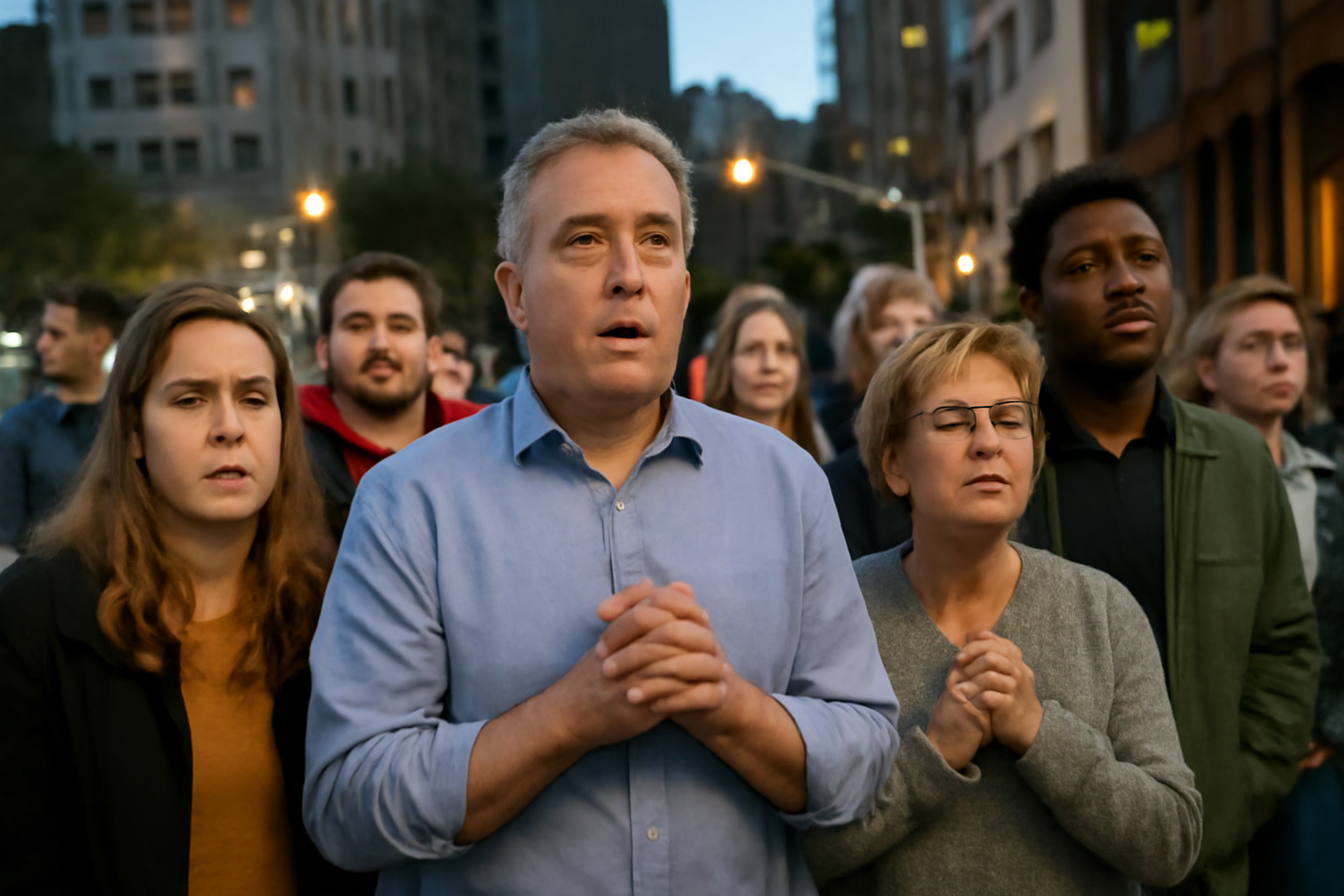
In Harlem, a local church opened its doors for a watch party, where congregants prayed for the outcome while discussing the importance of civic duty. “Voting is our way to honor our ancestors who fought for our rights,” said Reverend Marcus Johnson. “We must remain vigilant and engaged.”
Looking ahead, the implications of this election night viewership extend beyond just ratings. The increased engagement suggests that networks may need to adapt their coverage strategies to cater to a more politically aware audience. NBC's success in drawing viewers could influence how other networks approach future election coverage, emphasizing the need for in-depth analysis and interactive content.
Moreover, as the dust settles from the midterms, the focus will shift to the impact of these results on local and national policies. With key races decided, New Yorkers will be watching closely to see how their elected officials address pressing issues. The anticipation for the next election cycle is already building, as voters reflect on the outcomes and prepare for future participation.
Local organizations, such as the New York Civic Engagement Coalition, are already mobilizing to ensure that this momentum continues. They plan to host forums and workshops aimed at educating voters about upcoming local elections and issues. “We want to keep the conversation going,” said coalition leader Michael Thompson. “It’s crucial that people feel empowered to engage with their representatives and advocate for their communities.”
In the coming weeks, the coalition will partner with local schools and community centers to distribute resources and information about how to register to vote and stay informed. They aim to build a grassroots movement that not only prepares citizens for future elections but also fosters ongoing conversations about civic responsibility. “It’s important that we don’t just stop here,” Thompson added. “We need to cultivate a culture of engagement that lasts beyond election cycles.”
Additionally, there are plans for community forums where residents can voice their concerns and ask questions of local leaders. The hope is to create a space where constituents feel heard and can actively participate in shaping policies that affect their lives. “We want to ensure that everyone knows their voice matters,” said Thompson. “Change starts at the community level.”
The 2026 midterm elections have reignited a passion for political involvement among Americans, with New Yorkers leading the charge. The rise in television viewership reflects a collective desire to stay informed and engaged in the democratic process. As communities come together to discuss the outcomes, it’s clear that the road ahead will be shaped by the voices of the electorate. With the next elections on the horizon, the momentum for civic engagement shows no signs of slowing down.
By Marcus Chen
By Katherine Langford
By Katherine Langford

By Katherine Langford