
Business
Malaysia Set to Hold Rates on Strong Growth, Signal Hike in 2027
By Marcus Chen
Advertisement · Why this ad?
Katherine oversees editorial operations across all six brands. Before joining The Meridan Group, she spent 14 years at the Minneapolis Star Tribune, where she led the metro desk through its digital transformation. She holds a Master's in Journalism from Northwestern's Medill School.
More from Katherine →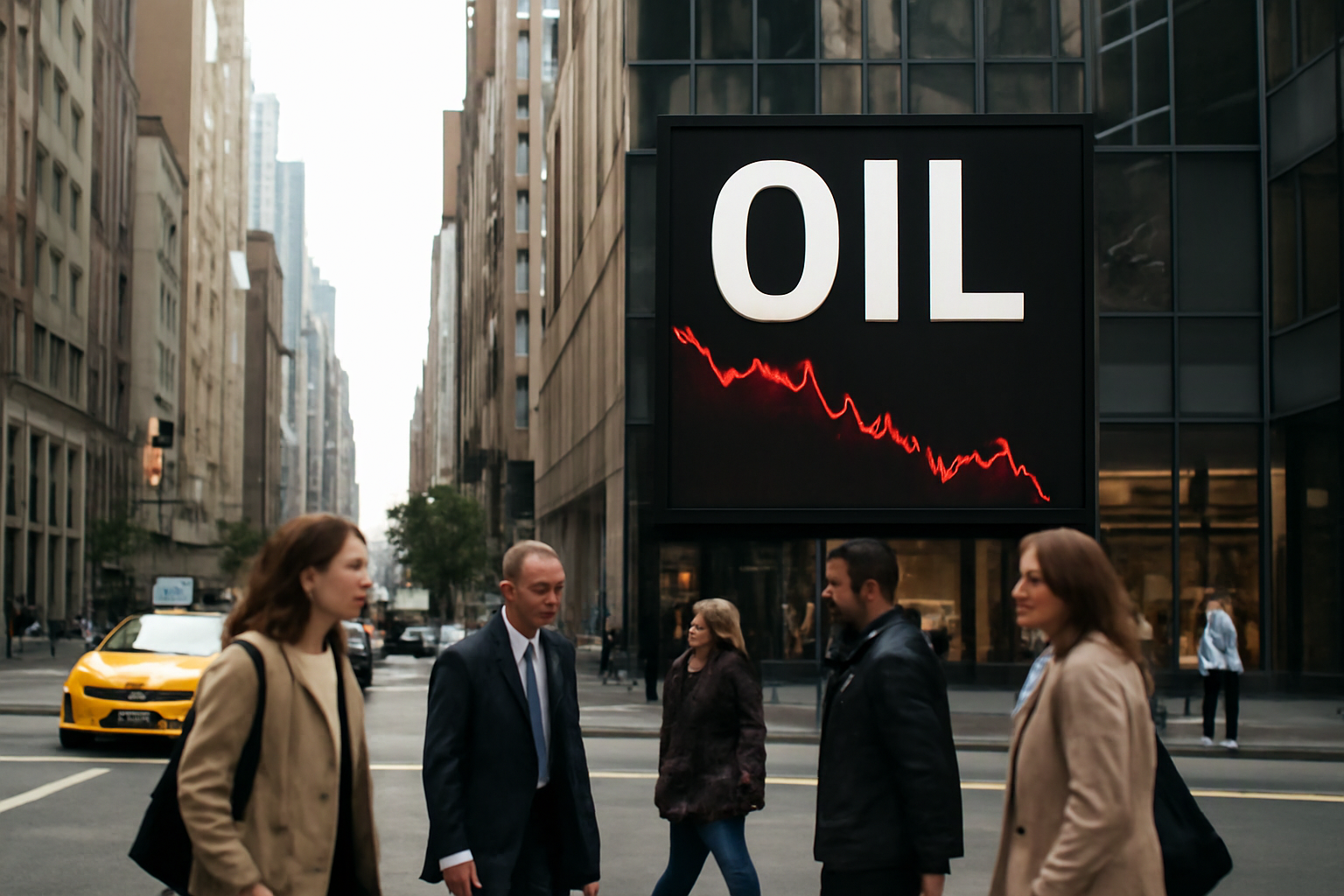
In a bustling New York City café, a group of investors huddles around a table, their eyes glued to the latest financial news flashing across their devices. The atmosphere is tense yet hopeful, as discussions swirl about the implications of the upcoming midterm elections on global oil prices. Just the day before, oil prices had plummeted by nearly 8%, sending ripples through the financial markets and raising questions about the future of energy investments.
On November 5, oil prices steadied after a significant drop, primarily attributed to speculation surrounding the U.S. midterm elections. Investors are increasingly optimistic that a Democratic sweep could lead to a shift in foreign policy, particularly concerning Iran. The prospect of renewed negotiations to end the prolonged conflict in the region has sparked interest in the potential for increased oil supply, which could stabilize prices in the long run.
This recent volatility in oil markets has not gone unnoticed. Analysts are closely monitoring the situation, as the outcome of the elections could have profound implications not only for domestic policy but also for international relations and energy markets. With the Iran conflict persisting, any signs of resolution could lead to a significant increase in oil production, thereby affecting global supply chains and pricing structures.
The immediate response from traders following the sharp decline in oil prices was one of caution. Many investors adopted a wait-and-see approach, hesitant to commit to new positions until the election results were clear. This sentiment reflects a broader trend in the market, where geopolitical factors often play a crucial role in influencing investor behavior.
According to industry experts, the fluctuations in oil prices are indicative of the interconnected nature of global markets. Factors such as political stability, economic policies, and international relations all contribute to the volatility observed in oil prices. As such, the outcome of the midterm elections could serve as a catalyst for further price adjustments, depending on how the new administration chooses to approach foreign policy.
The implications of these market fluctuations extend beyond investors and traders. For everyday Americans, rising oil prices can translate into higher costs for transportation and heating, affecting family budgets across the nation. In New York City, where many rely on public transportation and heating oil, even small increases in oil prices can have significant ripple effects.
Local businesses, particularly those in the transportation and logistics sectors, are also feeling the pressure. As fuel costs rise, companies face the challenge of balancing operational expenses while maintaining competitive pricing. This delicate balance often leads to difficult decisions that can impact employment and economic stability within the community.
For instance, small delivery companies in New York are grappling with how to adjust their pricing structures to accommodate rising fuel costs without losing customers. Many have started exploring alternative delivery methods, such as using electric vehicles, to mitigate the impact of fluctuating oil prices. These adaptations not only reflect a response to immediate economic pressures but also highlight a growing trend towards sustainability in business practices.
Moreover, community organizations are stepping in to support families struggling with the increased costs of living. Nonprofits focused on energy assistance are seeing a surge in demand as families seek help with heating bills, especially as winter approaches. The local government is also considering measures to alleviate some of the financial burdens on residents, including potential subsidies or relief programs aimed at offsetting rising energy costs.
Local residents are feeling the pinch as well. Maria Gonzalez, a single mother of two living in the Bronx, shared her concerns: "Every time I fill up my car or pay for heating oil, I feel the strain on my budget. With the elections coming up, I just hope that whoever is in charge can do something to help families like mine. We need affordable energy to make ends meet." Her sentiment reflects a broader anxiety among many New Yorkers who are closely watching the election outcomes.
Additionally, business owners like James Lee, who runs a small logistics company in Queens, are anxious about the future. "We've been trying to keep our delivery costs down, but with rising fuel prices, it's becoming increasingly difficult. If the government can stabilize oil prices, it would be a huge relief for us and our customers," he said. His perspective highlights the interconnectedness of local businesses and the broader oil market dynamics.
As the dust settles from the midterm elections, the focus will shift to how the new political landscape will shape energy policies. If the Democrats secure a majority, there may be a renewed emphasis on diplomatic efforts to resolve the Iran conflict, potentially leading to a more stable oil market.
Additionally, the Biden administration has indicated a commitment to addressing climate change and promoting renewable energy sources. This focus could further influence oil demand and pricing in the coming years, as the transition to cleaner energy gains momentum. Investors will need to stay vigilant, monitoring both political developments and market trends to navigate this evolving landscape.
Local advocacy groups are also preparing for the potential shifts in policy, as they advocate for a more sustainable energy future. They are pushing for investments in renewable energy projects within the city, which could create jobs and reduce reliance on fossil fuels. This proactive approach not only addresses immediate concerns about oil prices but also aligns with broader environmental goals.
For those looking to stay informed about the oil market and its implications, several resources are available. Websites such as the U.S. Energy Information Administration provide valuable insights into energy production and consumption trends. Additionally, financial news outlets like Bloomberg Markets offer real-time updates on market fluctuations and expert analysis.
Investors are encouraged to engage with local chambers of commerce and industry associations, which often provide resources and networking opportunities to help navigate the complexities of the energy market. Staying connected to community events and discussions can also offer valuable perspectives on how local businesses are adapting to changing market conditions.
As we look to the future, the oil market remains a critical area of focus for investors and families alike. Understanding the interplay between political decisions and market dynamics will be essential in navigating these uncertain times. The outcomes of the midterm elections may very well shape the trajectory of oil prices and energy policies for years to come, making it imperative for all stakeholders to remain informed and engaged.
By Marcus Chen

By Marcus Chen

By Marcus Chen

By Marcus Chen