
Business
BOE Hikes Rates, Warns of Rising Inflation
By Marcus Chen
Advertisement · Why this ad?
Katherine oversees editorial operations across all six brands. Before joining The Meridan Group, she spent 14 years at the Minneapolis Star Tribune, where she led the metro desk through its digital transformation. She holds a Master's in Journalism from Northwestern's Medill School.
More from Katherine →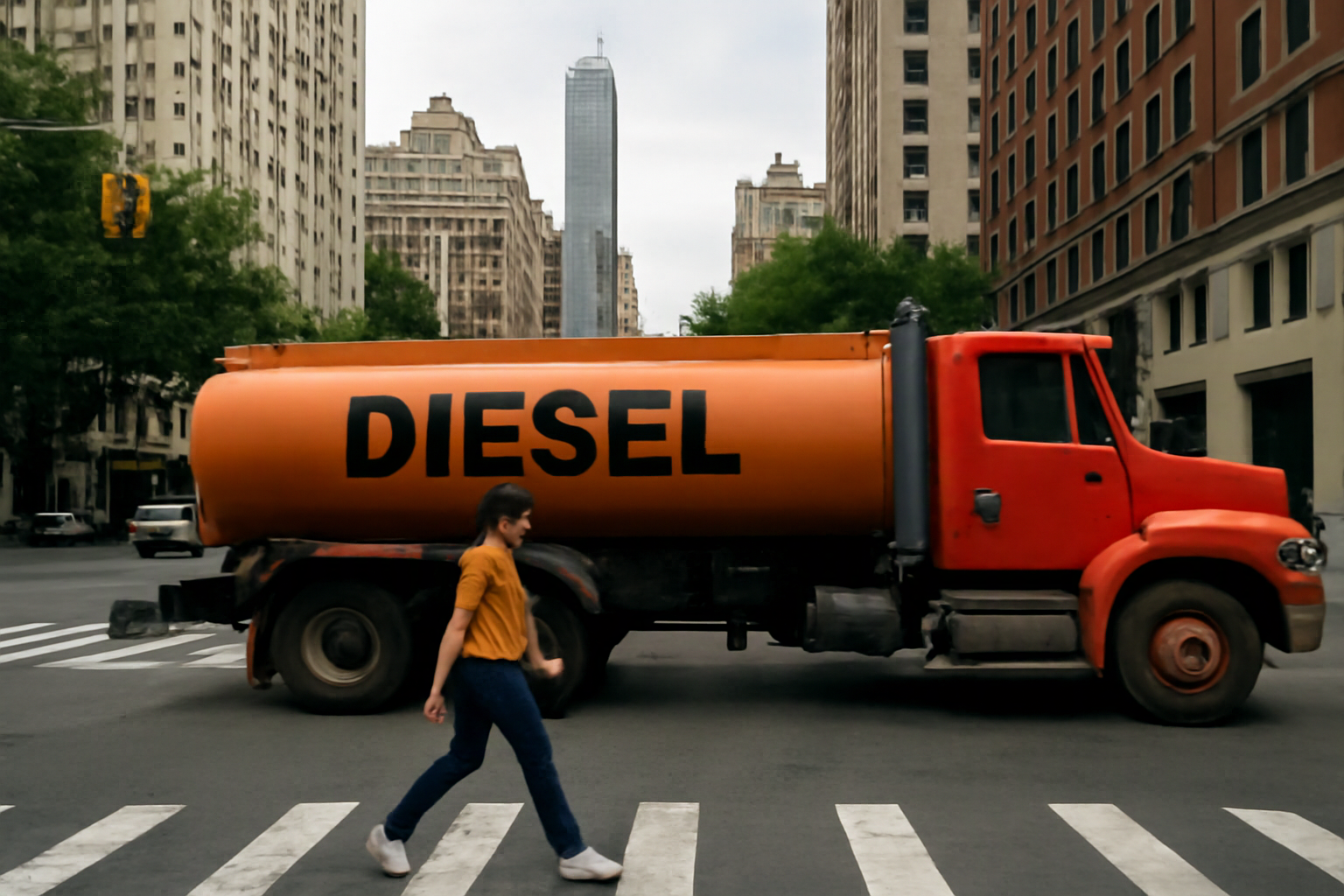
In a bustling New York City café, a group of business professionals huddles around a table, their conversation punctuated by the clinking of coffee cups and the tapping of laptops. Among them is Sarah Chen, a supply chain analyst, whose focus is on the global diesel market. As they discuss the implications of China’s potential export quotas on diesel, the room fills with a sense of urgency. The balance between domestic needs and international commitments is more than just a topic of conversation; it’s a matter of global economic stability.
China is currently weighing the impact of new export quotas on diesel fuel, a decision that could reshape the global market. As the world's largest consumer of oil, China faces a dual challenge: meeting its domestic fuel demands while considering the possibility of increasing exports to international markets. The government’s decision will hinge on a critical question: Can Beijing fulfill its own needs while still providing a lifeline to other countries reliant on diesel?
The situation is particularly pressing as global energy prices remain volatile. Recent reports indicate that China’s diesel exports could rise significantly if the government allows for increased quotas. However, this potential increase is tempered by the reality that domestic consumption must be prioritized. This balancing act is essential not only for China’s economy but also for the global supply chain that relies heavily on its fuel exports.
The diesel market has faced numerous challenges in recent years, particularly in the wake of the pandemic and geopolitical tensions that have disrupted supply chains. As nations recover and demand for fuel surges, the spotlight is on China, which has historically played a pivotal role in the global fuel market. Understanding the dynamics of this market is crucial for stakeholders across various sectors.
China's domestic fuel consumption has been on the rise, driven by increased industrial activity and a growing transportation sector. As a result, the government has implemented measures to regulate exports to ensure that local needs are met first. The proposed export quotas could represent a shift in strategy, indicating a willingness to engage more actively in the global market, provided domestic requirements are satisfied.
The implications of China’s decision on diesel exports extend beyond its borders. Countries that rely heavily on diesel imports, particularly those in Southeast Asia and Africa, could benefit from increased shipments. However, the uncertainty surrounding China’s domestic needs creates a complex scenario for international buyers.
For instance, nations like India and Vietnam, which have been looking to secure diesel supplies, may find themselves in a competitive position if China opts to increase its exports. The potential for a diesel lifeline from China could stabilize prices and ensure adequate supplies for these nations, fostering economic growth and development.
Back in New York City, the ripple effects of China’s diesel export decisions are felt across various sectors. Local businesses, particularly those in transportation and logistics, are closely monitoring the situation. The potential for fluctuating fuel prices could directly impact operational costs, which in turn affects consumers.
For small business owners like Maria Gonzalez, who runs a delivery service, the stakes are high. "If diesel prices rise, we will have to adjust our rates, which could drive customers away," she explains. Maria’s story is emblematic of the broader challenges faced by many in the city who depend on stable fuel prices for their livelihoods.
Maria is not alone; the New York City delivery and logistics sector employs thousands of workers. According to the NYC Department of Transportation, the city has seen a surge in delivery services, especially since the pandemic accelerated online shopping trends. This has led to increased demand for diesel-powered vehicles, which many delivery companies rely on. As the situation unfolds in China, local business leaders are advocating for measures to cushion the impact of rising fuel costs on small enterprises, emphasizing the need for community support and possible government intervention.
As China navigates its domestic energy needs against the backdrop of international expectations, the future of diesel exports remains uncertain. Analysts suggest that the government’s approach will hinge on several factors, including domestic consumption trends, global energy prices, and the geopolitical landscape.
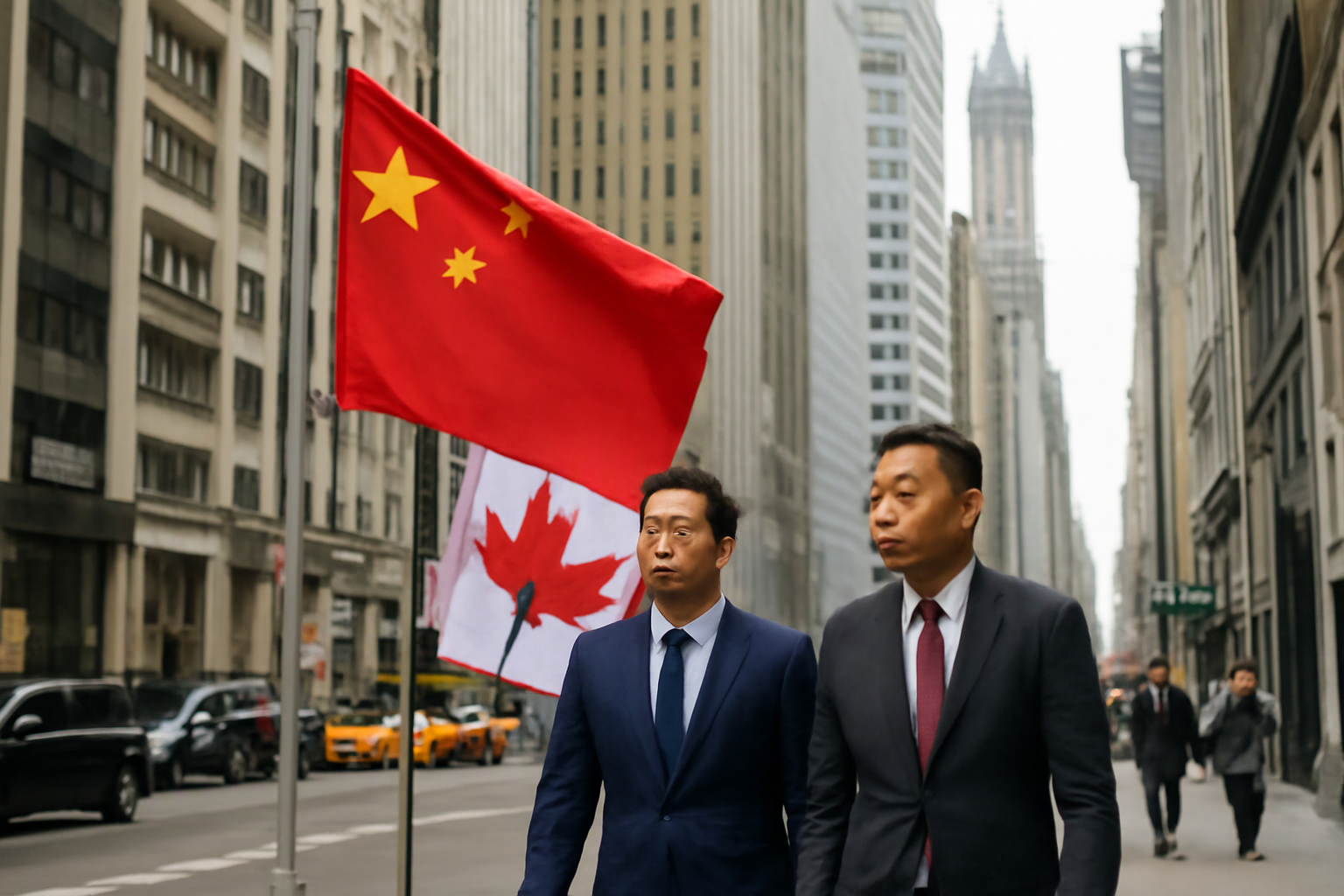
For now, stakeholders in New York City and beyond are left to ponder the implications of China’s decisions. The interconnectedness of the global economy means that what happens in Beijing can have far-reaching consequences, affecting everything from local delivery services to international trade agreements.
Beyond the immediate implications for diesel prices, the potential changes in China's export policies could also influence the broader economic landscape. Industries such as construction, manufacturing, and agriculture, which rely heavily on diesel for transportation and machinery, could face increased costs, potentially leading to higher prices for consumers. In New York City, where the cost of living is already high, any increase in prices could disproportionately affect low-income families.
Additionally, the city's economic recovery post-pandemic is still fragile. A spike in diesel prices could hinder growth in sectors that are vital for job creation and stability. Local economists warn that if businesses are forced to pass on these costs to consumers, it could lead to a decrease in spending, further slowing down the recovery process.
In the coming months, it will be crucial for businesses and consumers alike to stay informed about developments in China’s diesel export policies. The potential for increased shipments could provide much-needed relief for countries struggling with fuel shortages, but the priority will always remain on meeting local demands first. As Sarah Chen aptly puts it, "The balance between domestic needs and global commitments is a tightrope that China must walk carefully."
As stakeholders in New York City prepare for potential changes, many are calling for proactive measures, such as exploring alternative fuel sources and investing in energy-efficient technologies. These steps could help mitigate the impact of rising diesel prices and ensure that local businesses remain competitive in a challenging economic environment.
By Marcus Chen
By Marcus Chen

By Marcus Chen

By Marcus Chen